Response of Cotton Plant to Fertilization Sources and Foliar Spraying with Humic Acid- Juniper Publishers
Journal of Agriculture Research- Juniper Publishers

Abstract
Background and objective: Two field
experiments were carried out on clay loam soil at El-Gemmeiza
Agricultural Research Station, El-Gharbia Governorate, Egypt for the two
successive seasons of 2017 and 2018, using the Egyptian cotton cultivar
Giza 86 (Gossypiumbarbadense L.).
Methodology: These experiments were conducted
to study the effect of three sources of fertilizers (mineral NPK,
organic manures i.e. cattle manure and phytocompost manure) and foliar
spraying with two humic acid rates (2.5cm3/l and 5cm3/l) three times(at
squaring stage, at flowering initiation and at the top of flowering) and
control (without humic acid application) as well as their interaction
on cotton leaf water relations, photosynthetic pigments and chemical
composition, growth, earliness traits, seed cotton yield and its
components and fiber quality. A split plot design with three replicates
was used in both seasons.
Results: Source of fertilizers had a
significant effect on TWC, LWD, RWC, OP and plasma membrane integrity in
leaves of cotton plants in both seasons, where the cotton plants
fertilized by cattle manure caused an increase in TWC as well as RWC and
leaves chlorophyll a, b and carotenoids content in both seasons, leaves
total carbohydrates, total sugars, N, P and K % and significantly
decreased LWD, OP and plasma membrane integrity, the activity of
peroxidase and phynoloxidase and proline concentration in leaves of
cotton plants when compared with the control plants. Cattle manure
significantly increased total bolls set/ plant, boll setting %, and 1st
picking percentage in both seasons. Also, source of fertilizers
exhibited significant differences in number of open bolls/plants, boll
weight and seed cotton yield per feddan in both seasons, where the
heaviest bolls and highest number of open bolls/plants, and seed cotton
yield per feddan in both seasons, resulted from plants fertilized with
chemical fertilizers and from plants fertilized with cattle manure
without significant differences between these two sources, while plants
fertilized with organic fertilizer in the form of phytocompost had the
lowest values. Foliar feeding with humic acid either at the low or the
high rate recorded a significant increase in TWC, RWC and leaves
chemical compositions i.e., total carbohydrates, total sugars, nitrogen
%, phosphorus % and potassium % and recorded a significant decrease in
LWD, OP, plasma membrane integrity, the proline and enzymes activity
(peroxidase and phynoloxidase) in leaves of cotton plants when compared
with the untreated plants. Humic acid treatments gave a significant
effect on plant height at harvest, number of fruiting branches/plant,
boll setting % and 1st picking percentage, number of open bolls/plant,
boll weight and seed cotton yield/feddan in both seasons, in favor of
foliar feeding with humic acid at a rate of 5cm3/l three times (at the
squaring stage, flowering initiation and at the top of flowering) but
untreated plants gave the lowest values of these traits and gave the
highest value of boll shedding % in both seasons. Plants fertilized by
cattle manure and received humic acid at the high rate (5cm3/l)
significantly increased leaves TWC, RWC, chlorophyll a, b and
carotenoids content in both seasons, leaves total carbohydrates, total
sugars, N, P and K% contents. Also, this interaction significantly
increased plant height at harvest, in the second season and
significantly decreased LWD, OP, plasma membrane integrity, the activity
of peroxidase and phynoloxidase and proline concentration in leaves of
cotton plants, when compared with the control plants which fertilized by
mineral NPK.
Conclusion: It could be recommended that, the
use of organic manurein the form of cattle manure interacted with humic
acid application on cotton plants led to increase the productivity of
cotton plants in terms of quantity and quality.
Keywords: Foliar feeding; Humic acid; Egyptian cotton; Fertilizers; agriculture
Abbreviations: TWC: Total Water Content; LWD: Leaf Water Deficit; RWC: Relative Water Content; OP: Osmotic Pressure
Introduction
On the way of clean agriculture, the use of organic
amendments such as animal manures i.e. cattle manure or Phytocompost in
farming have many advantages i.e. reduce the use of chemical fertilizers
and build biologically diverse agriculture, effective means of
improving soil structure and its fertility, where
they are excellent source of macro and micro nutrients which are
plant-available and their addition to soil could increase activity and
microbial population. In addition, the use of organic manures reduces
hazards from nitrate leaching into groundwater compared to those from
inorganically fertilized. In addition to the high cost of chemical
fertilizers, use of chemical fertilizers constantly
lead to decline soil chemical and physical properties, biological
activities and thus, overall, the total soil health. Thus, the
undesirable
impacts of chemical fertilizers, coupled with their high prices,
have prompted the interest in the use of organic fertilizers as a
source of nutrients. The massive application of chemical fertilizers
has created serious problems due to pollution with nitrates and N
volatilization such as soil degradation, water pollution, air pollution
and environmental problems related to phosphate fertilizer
i.e. the phenomenon of eutrophication and the accumulation of
cadmium in the soil and plants due to the presence of cadmium in
phosphate fertilizer, where its accumulation in the leaves increases
the amount of cadmium in the human food meal, where this
element is highly toxic to humans. It accumulates in the kidneys
and liver and ultimately in the bones, there for there is a danger
unexpectedly large for the food chain [1].
For these reasons, the world is becoming aware of the need to
cultivate cotton in an ecological or organic way [2]. In this concern,
cattle manure seems to act directly in increasing crop growth and
yields either by accelerating respiratory process with increasing
cell permeability and hormonal growth action or by the combination
of all of these processes which supplies N, P and S in available
form to the plants via biological decomposition and improves
physical properties of soil such as aggregation, permeability and
water holding capacity [3], mineral fertilizers have the merit of being
readily soluble in soil solution, less bulky and easy to manipulate
but their constitution in most cases does not include the much
needed essential minor elements as compared to cattle manures
which meet this requirement [4].
In addition to the high cost, uses of mineral fertilizers constantly
lead to decline soil chemical and physical properties, biological
activities and thus, overall, the total soil health. Thus, the
undesirable impacts of chemical fertilizers, coupled with their
high prices, have prompted the interest in the use of organic fertilizers
as a source of nutrients. Cattle manure is a decayed mixture
of the dung and urine of cattle or other livestock with the straw
and litter used as bedding and residues from the fodder fed to
them. The nitrogen in the manure is subject to volatilization and
leaching losses and the material that finally will be spread on the
field may have low nitrogen content. The application of well-decomposed
manure is more desirable than using fresh materials [5]
and [6].
Using the organic substances for minimizing the use of chemical
fertilizers Humic acid might show anti-stress effects under a
biotic stress conditions such as unfavorable temperature, salinity,
pH, etc., the functional groups of humic substance include carboxyl,
phenolic hydroxyl, alcoholic hydroxyl, ketone and quinoid [7].
Humic substances are well known as stimulators of plant growth
[8]. HA increases membrane permeability and facilitates transport
of essential elements within plant roots [9]. Humic application to
plants under normal and salt stress conditions could induce salinity
tolerance of cotton plants and in turn improved plant growth,
fruiting and yield particularly under salt stress and high temperature
conditions [10]. [11] found that foliar spraying of humate
5cm3/L three times increase plant tall, number of sympodia and
open bolls per plant, weight of boll and yield of seed cotton per
fed. [12] Reported that, humic acid are referred to as humic substances
and are used as fertilizer amendments as foliar spray.
Plant height, first hand cotton seed yield, number of bolls and
sympodial branches and total seed cotton yield affected by humic
acid application. Humic acid application had no significant effect
on ginning percentage and quality properties such as fiber length,
fiber fineness and fiber strength. [13] indicated that humic acid
(HA) application significantly increased leaf area per plant, plant
height, number of fruiting branches per plant, dry weight and
chemical constitutes either inorganic, N, P and K, while Na, Cl, Ca
and Mg were decreased, or organic constitutes e.g. proline, total
free amino acids, total sugars, total soluble phenols, chlorophyll a,
b, total chlorophyll and total carotenoids. As a result of promoting
growth induced by previous foliar applications, yield components
e.g., numbers of total and open bolls/plant, seed cotton yield/
plant, seed index and lint percentage were increased. [14] reported
that foliar application with potassium humate (Potassium humate
85% + Potassium 8% + Fulvic Acid 3%) with 5cm3/liter gave
the highest averages of yield and its components. Therefore, this
study aimed to study the effect of using organic manures sources
and humic acid as a natural material on cotton leaf water relations,
photosynthetic pigments and chemical composition, growth, earliness
traits, seed cotton yield and its components and fiber quality.
Materials and Methods
Area of study and sampling
Two field experiments were carried out at El-Gemmeiza Agricultural
Research Station, El-Gharbia Governorate, Egypt for the
two successive seasons of 2017 and 2018, using the Egyptian cotton
cultivar Giza 86 (Gossypiumbarbadense L.). These experiments
were conducted to study the effect of three sources of fertilizers
(mineral NPK, cattle manure and phytocompost manure) and
three humic acid rates (0, 2.5cm3/l and 5cm3/l) as well as their interaction
on cotton leaf chemical composition and water relations,
growth, earliness traits, seed cotton yield and its components and
fiber quality. A split plot design with three replicates was used in
both seasons.
The main plots were assigned to fertilizers source as followings:
a. a1- Mineral fertilizer: The recommended NPK rate
(100%), i.e. 45kg N,22.5kg P2O5 and 24kg K2O.
b. a2- Phytocompost manure as a source of organic phytomanure.
c. a3- Cattle manure as a source of organic animal manure.
The sub-plots contained the humic acid (in the form of actosol) rates of:
a. b1- Without humic acid application (control treatment).
b. b2- Foliar spraying with humic acid at the rate of 2.5cm3/
liter water three times.
c. b3- Foliar spraying with humic acid at the rate of 5cm3/
liter water three times.
Humic acid (in the form of actosol®)* as a foliar spraying on
cotton leaves using hand operated sprayer compressed at a low
volume of 200 liter per feddan. The lower leaf surface was sprayed
until wetted as well as the upper surface.
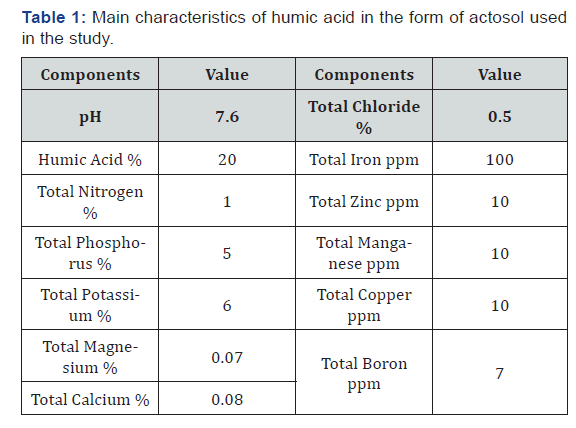
*Humic acid is the active ingredient of actosol product, the
natural organic fertilizer. The different constituents of actosol as
reported by [15] were illustrated in Table 1. The preceding crop
was Egyptian clover (Trifoliumalexandrinum L.) “berseem” from
which one cut was taken and sugar beets(Beta vulgaris L.) in the
first and second seasons, respectively.
Mineral fertilizers application
Phosphorus fertilizer was added as calcium super phosphate
(15.5% P2O5) at a rate of 22.5kg P2O5/fed during land preparation.
Inorganic nitrogen fertilizer was applied as ammonium nitrate
(33.5% N) at a rate of 45kg N/ fed in two equal portions after thinning
and at the next irrigation. Potassium fertilizer in the form of
potassium sulphate (48% K2O) was applied as soil application at
a rate of 24 kg K2O at the first N dose application. Before planting,
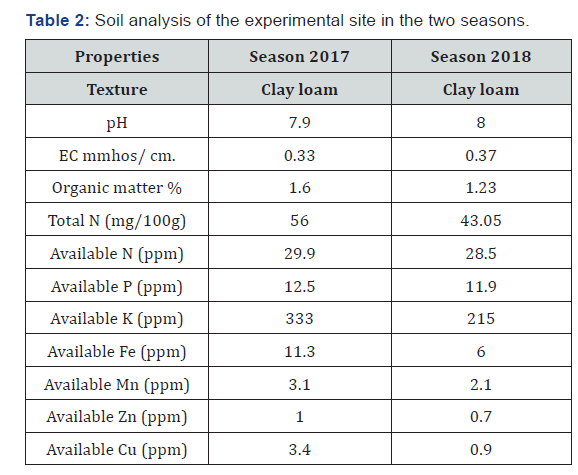
surface (0-30cm) soil samples were analyzed according to [16]
and the results are depicted in Table 2.
Organic manures application
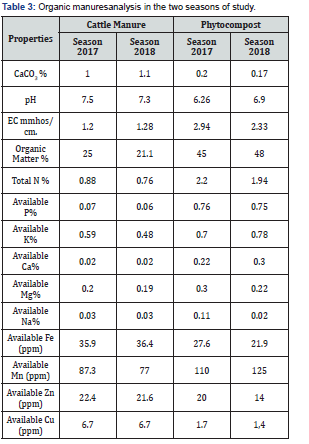
The two organic manures were analyzed before use according
to [17] and the amount used of each manure was determined according
to its total nitrogen content and were incorporated with
ridges after ridging and before sowing at a rate of 45kg N/fed. The
results of their properties are shown in Table 3. The sub- plot size
was 14 m2, (3.5m x 4m) including 5 ridges 70 cm apart and the
hills 25cm apart with two plants/hill after thinning. Sowing date
was 8 April in both seasons. The other cultural practices were carried
out as recommended for conventional cotton seeding in the
local production district.
Studied characters
Ten leaves (fourth upper leaf) were randomly taken from
plants of each plot after two weeks from the last spraying of humic
acid to determine the following traits.
Water relations: Total water content (TWC, %) [18] and [19],
leaf water deficit (LWD, %), relative water content (RWC, %) [20],
osmotic pressure [18], plasma membrane integrity [21].
Photosynthetic pigments: The photosynthetic pigments
were extracted from fresh leaf sample (fourth upper leaf) by 85%
acetone and determined according to the method described by
Wettestein’s formula in [22].
Chemical analysis: Total carbohydrates and total sugars were
determinate using the phenol sulfuric acid method as described by
[22]. Antioxidant enzymes activities as peroxidase and phynoloxidase
were determined according to [23] and [24]. Proline concentration
was measured according the ninhydrin method of [25]. N,
P and K were determined as a described by [22].
Growth: plant height at harvest (cm) and number of fruiting
branches/ plant.
Earliness traits: number of total flowers/plant number of total
bolls/plant, boll setting percentage, boll shedding percentage
and first picking percentage.
Seed cotton yield and its components: number of open bolls
per plant, boll weight (g), limit percentage and seed index (weight
of 100 cotton seeds in grams).The seed cotton yield per feddan
was estimated as the weight of seed cotton in kilograms picked
twice from each-sub plot and transformed to kentars per feddan
(one kentar = 157.5kg)
Fiber quality: Samples of lint were collected from each treatment
at each replicate to determine the following characters at
the laboratories of Cotton Research Institute, ARC, under standard
conditions of test as reported by [26]: fiber length (2.5% span
length in mm) and uniformity index (%) were determined by fibrograph
instrument, fiber fineness (micronaire reading), it was
determined by Micronaire instrument and fiber strength (Pressley
index), it was determined by Pressley instrument.
Statistical analysis: The statistical analysis of the obtained
data in the two seasons was done and performed according to [27]
using M State-C microcomputer program for split plot design, and
the treatments means were compared using LSD at 0.05.
Results
Water relations
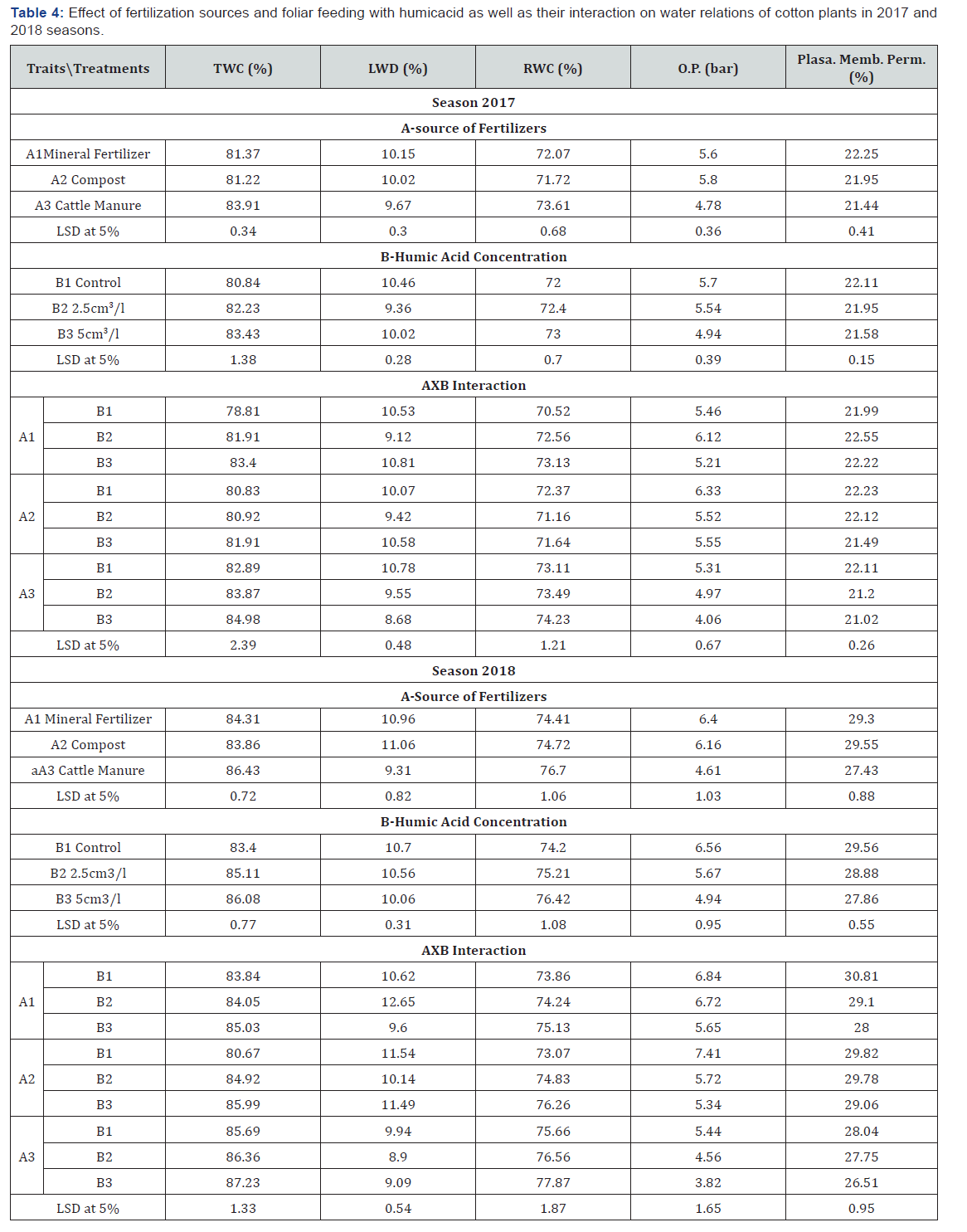
The data in Table 4 showed that, the cotton plants fertilized by
cattle manure caused an increase in TWC as well as RWC and decrease
in LWD, OP and plasma membrane integrity in leaves of cotton
plants, when compared with the control plants (Mineral fertilizer).
The second season is the same of the first one. In the same
table, the high level of humic acid (5cm2/l) recorded a significant
increase in TWC and RWC and recorded a decrease in LWD, OP
and plasma membrane integrity in leaves of cotton plants, when
compared with the control plants.
The same increase in TWC and RWC was recorded at the all
interactions between compost and Cattle manure with humic acid.
And the same interactions caused a significant decrease in LWD,
OP and plasma membrane integrity in leaves of cotton plants. The
higher increase in TWC and RWC and the lowest values of LWD, OP
and plasma membrane integrity in leaves of cotton plants throw
the interactions was recorded at Cattle manure interacted with
humic acid at the high level. The results of the second season are
the same of the first one.
Photosynthetic pigments
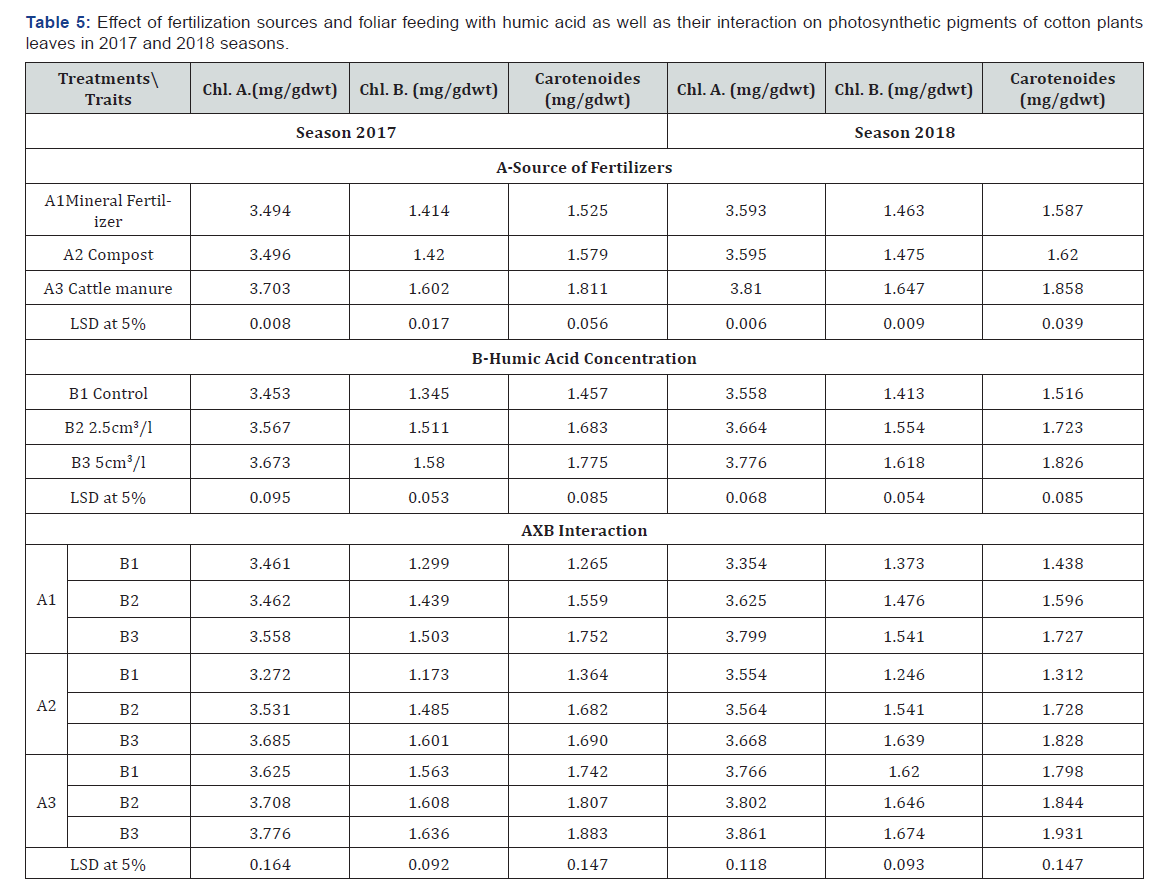
The illustrated data in Table 5 cleared that, the cotton plants
fertilized by compost as well as cattle manure increased the values
of leaves chlorophyll a, b and carotenoids contents in both seasons.
Whereas, the greatest values of leaves plant pigments contents
were recorded in leaves of cotton plants fertilized by cattle
manure. On the same side, the all levels of humic acid significantly
increased leaves concentration of chlorophyll a, b and carotenoids
as compared with the control in both of seasons. The highest increase
of chlorophyll a, b and carotenoids content in cotton leaves
were obtained as a result of foliar spraying of humic acid level at
5.0cm3/l.
In the same table, the interaction between the compost and
Cattle manure with humic foliar applications recorded an increase
in chlorophyll a, b and carotenoids at all levels.
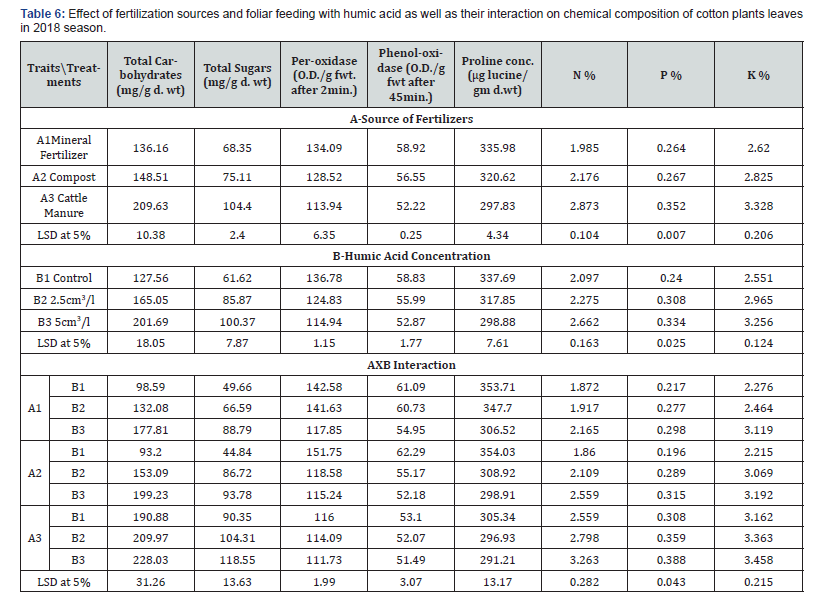
Data in Table 6, showed that, the leaves chemical contents of
cotton plants which fertilized by compost as well as cattle manure
increased the leaves total carbohydrates, total sugars, N%, P% and
K%. Meanwhile, the activity of peroxidase and phynoloxidase and
proline concentration were decreased as a result of compostand
cattle manure treatments when compared with the control plants.
Whereas, at cattle manure fertilizer produced the higher concentration
of leaves chemical contents as total carbohydrates, total
sugars, N%, P% and K% by about53.96, 52.74, 44.74, 33.33 and
27.02% respectively.
The highest valuesof total carbohydrates, total sugars, N, P and
K % content in cotton leaves throw the interactions were recorded
at cattle manure fertilizer interacted with humic level 5 cm3/l followed
by cattle manure fertilizer interacted with humic level 2.5
cm3/l respectively, when compared with the control plants. The
results in the second season are the seamed of the first one.
When regard to the chemicals content and were recorded in
Table 6, the results cited that, the humic acid levels had a significant
increase in leaves chemical compositions i.e., total carbohydrates,
total sugars, nitrogen %, phosphorus % and potassium
%. Meanwhile, the proline and enzymes activity (peroxidase and
phynoloxidase) were recorded a low concentration as a result of
hmic acid treatments when compared with the untreated plants.
The highest increase of total carbohydrates, total sugars, N, P and
K% content in cotton leaves were obtained as a result of foliar
spraying of humic acid at 5cm3/l as compared with the control
plants.
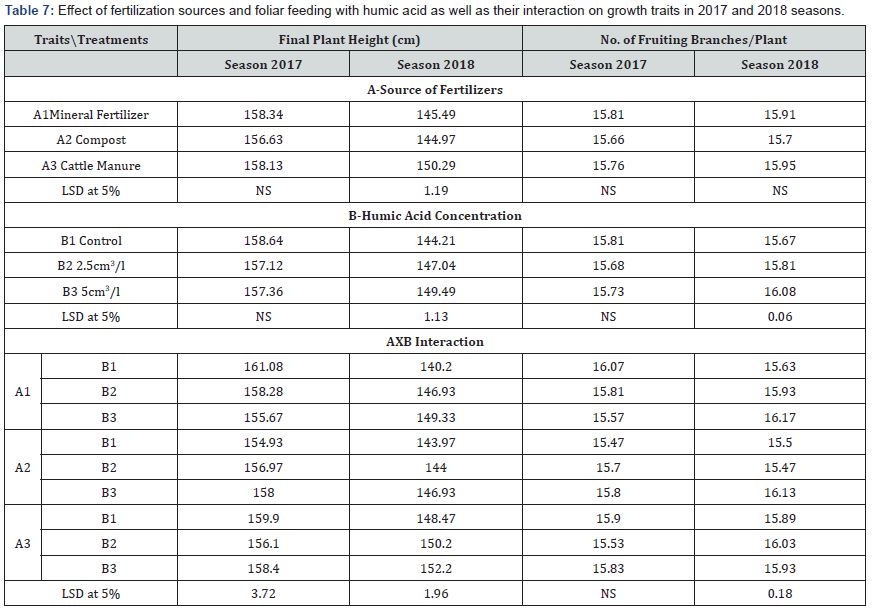
Results in the second season (Table 7) revealed that compared
to the control (the recommended mineral fertilizer), the application
of cattle manure as organic fertilizer resulted in significantly
taller plants in the second season followed by application of of
mineral fertilizers (control). While, shorter plants were obtained
from plants which received phytocompostas organic manure.
However, the differences in number of fruiting branches/plant did
not reach the level of significance in both seasons.
Results in Table 7 show that, humic acid treatments
exhibited
significant differences in plant height at harvest and number of
fruiting branches/plant in the second season only. Compared to
the control (untreated plants), the plants received humic acid at
the high rate (5cm3/l water) three times in the second season.
significantly
increased plant height at harvest and number of fruiting
branches/plant at harvest followed by the plants received humic
acid at the low rate (2.5cm3/l water) three times. The differences in
plant height at harvest and number of fruiting branches/plant
due to humic acid application may be attributed mainly to the
differences
in average inter node length and/or number of main stem
internodes.
The interaction between source of fertilizers and humic acid
treatments (A x b) for plant height at harvest was significant in
both seasons (Table 7), in favor of mineral fertilized plants without
humic acid application in the first season and in favor of cattle
manure fertilized plants which received humic acid as foliar
spraying at the high rate (5cm3/l water) three times. While, plants
fertilized with phytocompost manure or with mineral fertilizer
without humic acid application produced the shortest plants in
the first and second seasons, respectively. Regarding number of
fruiting branches/plant, the interaction gave significant effect on
this trait in the second season only, in favor of cattle manure fertilized
plants which received humic acid as foliar spraying at the
high rate (5cm3/l water) three times.
Earliness traits
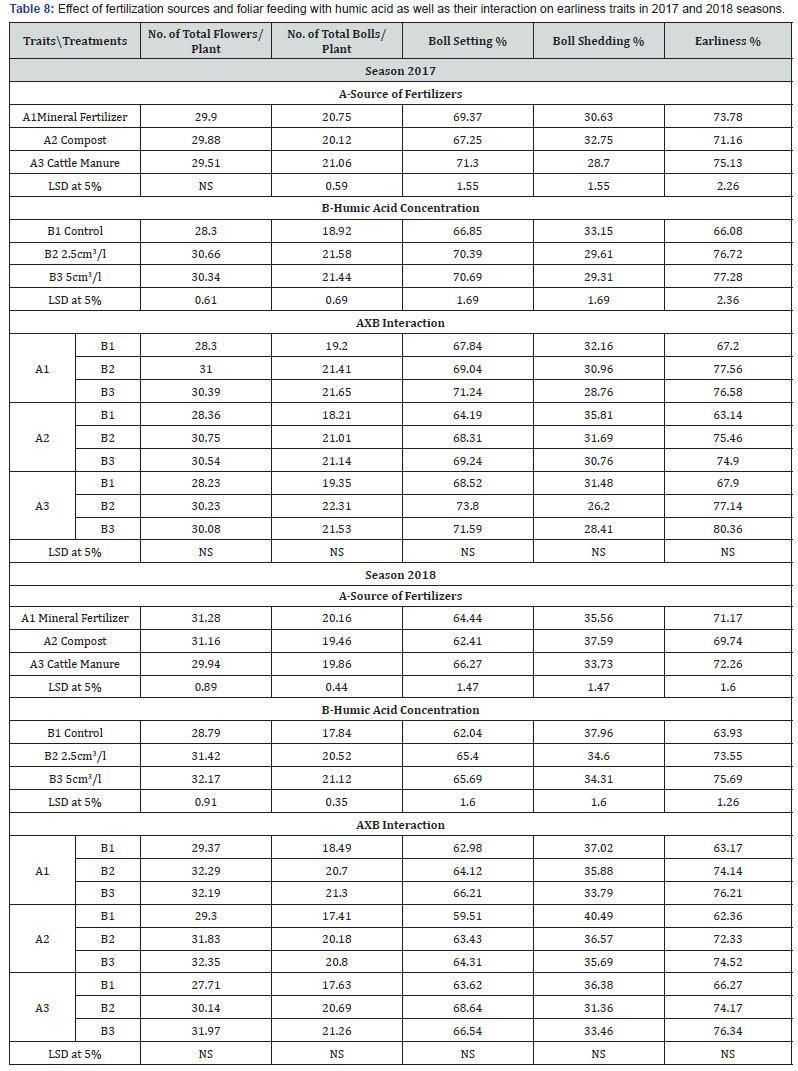
Concerning the effect of the fertilization sources on number of
total flowers/plant, number of total bolls set/plant, boll setting %,
boll shedding % and 1st picking percentage, the results in Table 8
show that the differences among the three sources reach the level
of significance for number of total flowers / plant in the second
season only, in favor of mineral source, for number of total bolls
set/plant, boll setting %, and 1st picking percentage in both seasons,
in favor of cattle manure. While, the lowest number of total
bolls set/plant, boll setting %, and 1st picking percentage and the
highest boll shedding % were obtained from phytocompost manure
in both seasons.
Humic treatments gave significant effect on boll setting % and
1st picking percentage in both seasons (Table 8), in favor of foliar
feeding with humic acid at the high rate following by the low
rate and at last untreated plants without significant differences
between the two former treatments. Also, the two rates of humic
acid had pronounced effect on number of total flowers/plant and
number of total bolls set/plant in both seasons, but untreated
plants gave the lowest values of these two traits and gave the highest
value of boll shedding % in both seasons. The interaction gave
insignificant effect on these traits during the two seasons of study
(Table 8).
Seed cotton yield/feddan and its components
Concerning the effect of fertilizers source on number of open
bolls/plant, results in Table 9 show that, source of fertilizers exhibited
significant differences in number of open bolls/plant in
both seasons (Table 9), where the highest number resulted from
plants fertilized with cattle manure in the first season and from
plants fertilized with chemical fertilizers in the second season
without significant differences between this treatment and the
former treatment in both seasons., while plants fertilized with
organic fertilizer in the form of phytocompost had the lowest
number in both seasons. Fertilizers source exhibited significant
differences in seed cotton yield per feddan in both seasons (Table
9). The highest seed cotton yield per feddan (9.53 and 9.54, 11.76
and 11.63 kentar) were obtained from plants which fertilized with
mineral fertilizers and cattle manure in the first and second seasons,
respectively without significant differences between these
two sources then it considerably decreased as a result of using
phytocompost manure.
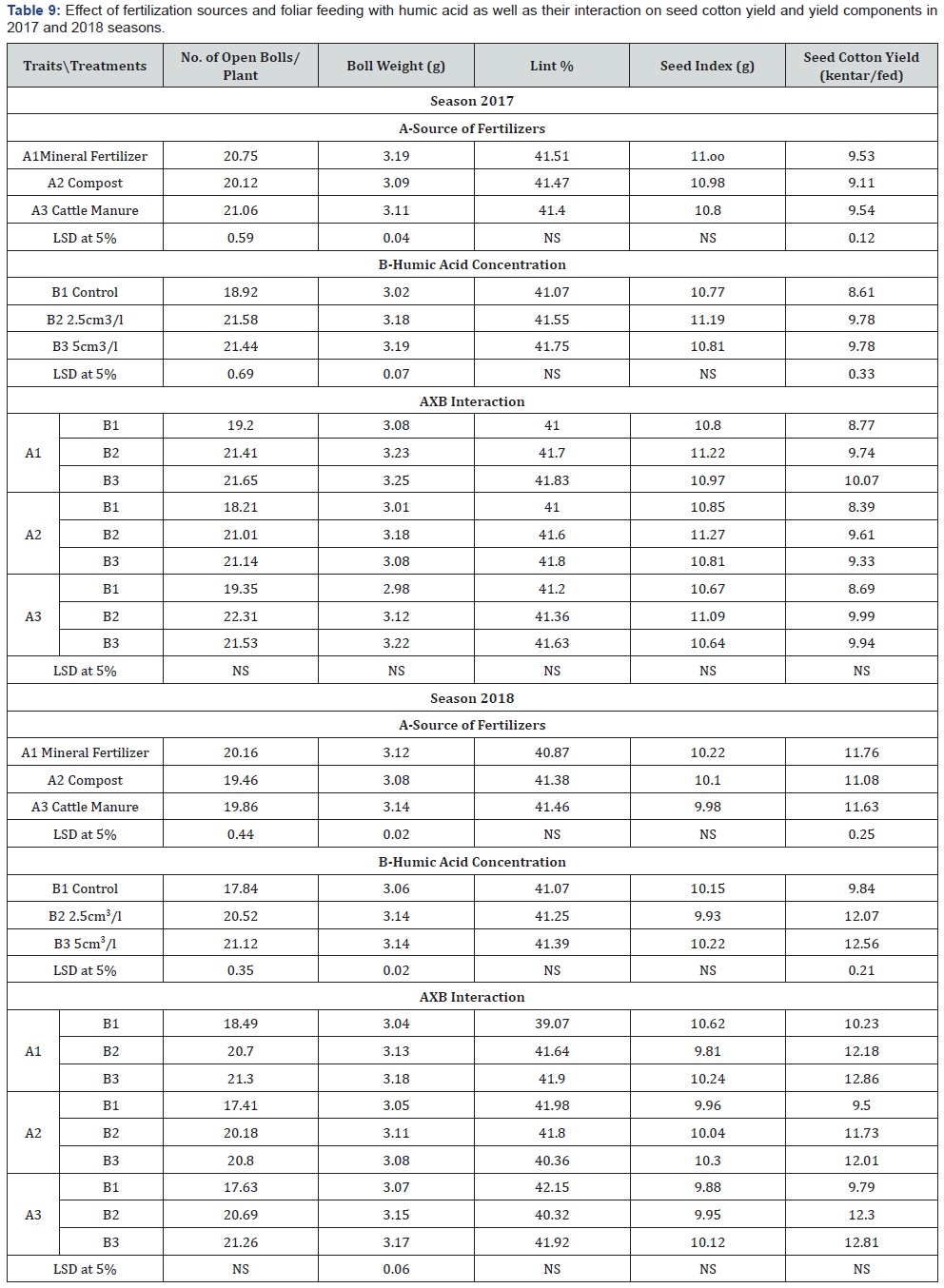
Significant differences were found among the three humic
acid treatments as for number of open bolls/plant and boll weight
in both seasons (Table 9), in favor of foliar feeding with humic acid
at a rate of 5cm3/l three times followed in ranking by foliar feeding
with humic acid at a rate of 2.5cm3/l three times and untreated
plants (control). The positive effect due to humic acid is due primarily
to the significant increase in number of fruiting branches/
plant in the second season and boll setting percentage in both seasons.
The significant increase in boll weight due to humic acid application
over the control is mainly referring to the little increase
in both seed index and lint percentage.
Regarding the effect of humic acid treatments with regard
to seed cotton yield/fed, results in Table 9 show that seed cotton
yield/fed was significantly affected by humic acid treatments
(without, 2.5cm3/land 5.0 5cm3/l) in both seasons, where foliar
feeding with humic acid in the form of actosolat a rate of 5.0g/l
three times [at the squaring stage, flowering initiation and at the
top of flowering] significantly out- yielded humic acid at the low
rate (2.5cm3/l) and the control (untreated plants). The increase
in seed cotton yield/fed obtained by humic acid application at the
high rate (5.0cm3/l) was about 13.59% and 27.64% over the control
(untreated plants) in the first and second seasons, respectively
and by 4.06% over humic acid at the low rate (2.5cm3/l) in the
second season.
The interaction between source of fertilizers and
humic acid
treatments (A x b) had a significant effect on boll weight in the second
season only (Table 9), in favor of mineral fertilized plants and
cattle manure fertilized plants which received humic acid as foliar
spraying at the high rate (5cm3/l water) three times and gave
insignificant
effect on number of open bolls/plant and seed cotton
yield/fed in both seasons.
Fiber traits
Source of fertilization significantly affected fiber length and
uniformity index in the second season only (Table 10), where the
longest fibers and highest uniformity index were obtained from
phytocompost manure followed by cattle manure. However, the
shortest fibers and the lowest uniformity index were recorded by
mineral fertilization (the control treatment). Micronaire reading
and fiber strength were insignificantly affected by source of fertilization.
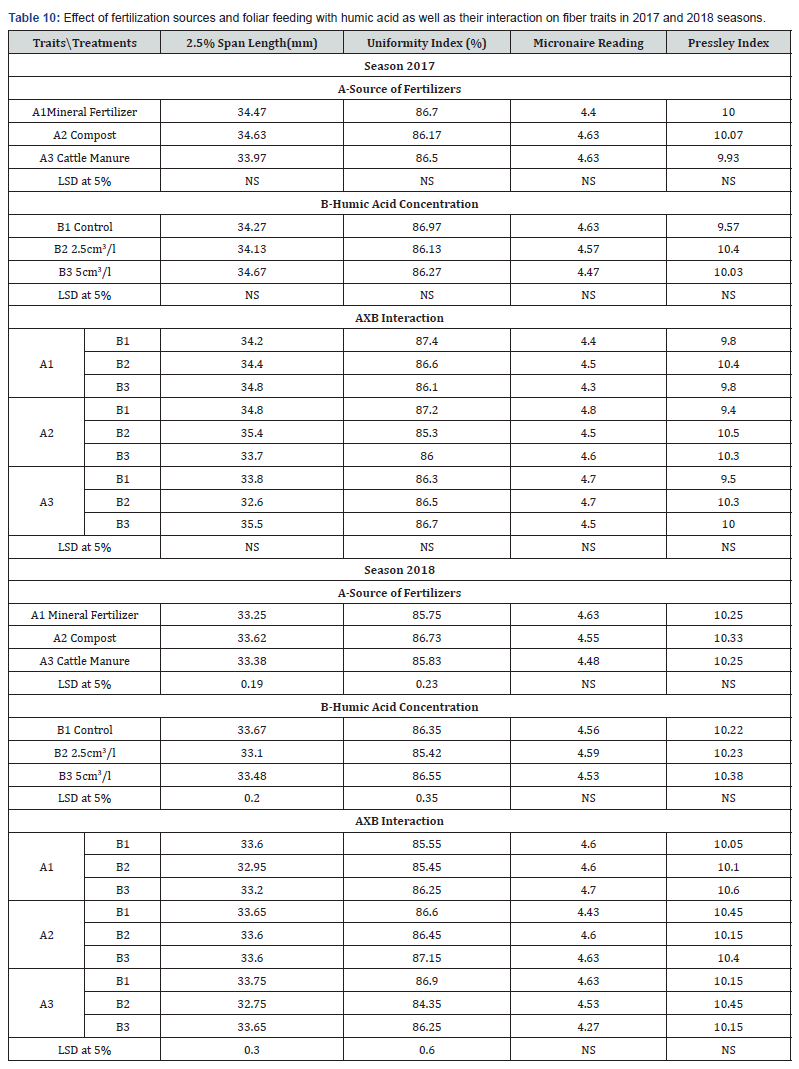
Untreated plants and foliar feeding with humic acid at the high
rate (5cm3/l water) three times significantly increased fiber length
and uniformity index in the second, but the lowest values resulted
from humic acid at the low rate (2.5cm3/l water). The interaction
gave significant effect on fiber length and uniformity index in the
second season only, in favor of organic manures when combined
with the humic acid or without humic acid application.
Discussion
The balance of water relations in plant cells of cotton plants
and treated with organic manure, humic acid and their interaction
is refer to the good water absorption and plant cells contains
of good concentrations of N, P and K. [28] reported that the hormone-
like activity of HA, which is indicated as concentration-specific
improved absorption of mineral nutrients because of increases
in cell permeability and [29] found that foliar feeding with
humic acid (5cm3/L) caused a significant increase in total water
and relative water contents in leaves of cotton plant in both seasons.
However, foliar feeding with humic acid (5cm3/L) caused a
significant reduction in osmotic pressure and the plasma membrane
permeability of cotton plants in both seasons. The increase
in chlorophyll a, b and carotene which refer to the application of
cattle manure and phytocompost could be attributed to increasing
N in leaves.
Nitrogen is an essential nutrient in creating plant dry matter
as well as many energy rich compounds which regulate photosynthesis.
There is an optimal relationship between nitrogen contents
in the plant and CO2 assimilation. In this concern, [30] the highest
chlorophylls content obtained from the application of organic manure
(sheep manure compost) at rate 30kg N+30kg N mineral and
sprayed with kinetin treatment. [31] on cotton plants, humic acid
as a foliar application increase organic constitutes e.g., chlorophyll
a, b, total chlorophyll and total carotenoids. [32] results indicated
that the highest seed yield, straw yield and oil yield were obtained
at humic acid (50kg/fed) with foliar treatment of proline at rate
of (100mg/L).
This may be due to the significant increase in photosynthetic
pigment (chlorophyll a, chlorophyll b, carotenoids and total pigments)
of flax shoots. In this regard, [33] stated that humic acid
could sustain photosynthetic tissues and [13] indicated that humic
acid increased chlorophyll a, b, total chlorophyll and total carotenoids,
[29] found that foliar feeding with humic acid (5cm3/l)
gave the highest values of leaves concentrations of photosynthetic
pigments i.e. chlorophyll a, chlorophyll b and total chlorophyll in
both seasons and carotenoids in the second season and the lowest
values were obtained from untreated plants (without natural materials
application). [34] found that MI + GS (manure incorporated
before planting and gliricídia applied on the surface days after
planting) increased N, P, and K accumulation in cotton. [31] on cotton
plants, cited that, humic acid as a foliar applications increase
chemical constitutes related to salt tolerance either inorganic, (N,
P and K), or organic constitutes e.g., proline, total sugars. [32] results
indicated that the highest seed yield, straw yield and oil yield
were obtained at humic acid (50kg/fed) with foliar treatment of
proline at rate of (100mg/L). This may be due to the highest total
soluble sugar content of flax shoots. In this concern, [13] indicated
that humic acid increased chemical constitutes of inorganic nutrients
(N, P and K), total sugars and total soluble phenols, [35]
pointed out that HA-treated plants showed improved nutritional
status as compared to untreated plants. [29] Found that foliar
feeding with 5cm3/L humic acid significantly increased percentages
of N, P and K in leaves in both seasons. Foliar feeding with
humic acid (5cm3/L) gave the highest values of leaves concentrations
of total carbohydrates and total sugars in both seasons and
the lowest values were obtained from untreated plants (without
natural materials application). Applying 5cm3/g humic acid gave
the lowest values of proline content, peroxidase and phenoloxidase
activity in leaves in both seasons and at last untreated plants,
which indicates favorable conditions and reduces environmental
stress effect. The positive effect on leaf chemical composition due
to the foliar feeding with humic acidis mainly referred to:
Application of humic acid in the form of actosol through foliar
spraying increased the uptake of N, P and K (Table 6).
Humic acid (in the form of actosol) enriched the leaves with appreciable
amount of N, P, K, Cl, Ca, Mg, Fe, Zn, Mn, Cu and B (Table
1).
Humic acid have the ability to retain micro nutrients in a complex
or chelate forms through their active groups, and consequently
improve the plant nutrition status [36].
The results in the same table showed that, the chemical constituents
were decreased at the all interactions except the interaction
between cattle manure fertilizer with humic levels
2.5 and 5cm3/l. The higher increase in total carbohydrates, total
sugars, N%, P% and K% was recorded at cattle manure fertilizer
interacted with humic level 5cm3/l respectively, when
compared with the control plants.
The superiority of humic acid over the other treatments could
be attributed to the stimulatory effects of humic acid on increasing
chlorophyll and chemical concentration in leaves, it might be also
attributed to the low pH value, as well as increasing the activity
of soil micro-organisms to liberate more nutrients from the unavailable
reserves [32]. [37] stated that, the increase in berry size
because of HA-S application at full bloom is probably ascribed to
the uptake of mineral nutrients by the grapevines, but the possible
hormone like activity of the HA-S (i.e., auxin, gibberellin and cytokinin-
like activity) should also be taken into consideration. HA
found to promote soil water holding capacity and reduce watering
requirements for plants [38].
Some studies reported that HA could be used as a growth regulator
to regulate hormone level, improve plant growth and enhance
stress tolerance [39]. Moreover, [40] reported that humic
substances prevented immobilization of Fe and P and facilitated
their translocation from roots to shoots. In addition, [41] suggested
that humic substances exert two types of effects in relation to
plants;
a. Indirect effects through acting as suppliers and regulators of
plant nutrients similar to synthetic ion exchangers.
b. Direct effects through uptake of humic substances by plant
roots.
This result is mainly due to that organic fertilizer sources in
the form of cattle manure or phytocompost manure had a high
macro and micro nutrients as shown in Table 3. Also, these two
organic sources significantly increased leaves total carbohydrates,
total sugars, N%, P% and K% (Table 6). In this regard, [42] reported
that compared to the control (60kgN/fed), farm yard manure
(FYM) gave the highest values of final plant height and number
of fruiting branches/plant and [43] found that final plant height
and number of fruiting branches/plant significantly increased in
favor of applying 12m3 FYM/fed + 30kg N/fed as compared with
the control (60kg N/fed).
growth could be explain as follow
a. Enhancing plants water and nutrition absorption capacity
due to humic acid application [44].
b. Humic acid contains higher macro and micro nutrients (Table
1) in addition to increase uptake of N (Table 6) which is
essential for building up protoplasm and protein as well as
induce cell division, which resulted in an increase in cell number
and cell size with an overall increase in plant growth.
c. Humic acid increases photosynthesis pigments (Table 5)
and could sustain photosynthetic tissues and thus total dry
weight would increase [33].
d. Humic acid stimulates nucleic acid metabolism, the hormonal
activity, enzyme activation, changes in membrane permeability,
protein synthesis, the activation of biomass production
and plant growth by the assimilation of major and minor
elements, In addition to, the influence of HA on respiration
and photosynthesis. These factors that have been used to describe
the effect of HA on plant growth parameters [45].
e. Humic acid increases plant growth, production, and quality
improvement through chelating different nutrients to overcome
the lack of nutrients and due to having hormonal compounds
[46].
f. Humic substances are assumed to have specific importance
for the transport and availability of micro and macro-elements
in the plants [47].
In this concern, [48] found that plant height and number of
fruiting branches/plant were significantly increased by application
of humic acid solution compared with control treatment in
both seasons, [13] indicated that humic acid (HA) application significantly
increased plant height and number of fruiting branches
per plant, [35] pointed out that plants treated with humic acid
showed improved photosynthetic efficiency, WUE and nutritional
status compared to untreated plants and [29] found that the
plants received humic acid significantly increased plant height
and number of fruiting branches/plant at harvest in both seasons.
due to that
The high leaves NPK percentages (Table 6) due to cattle manure
application are directly linked to boll retention, either by
themselves or as activators of nutrient concentrations in addition
to the nutrients content in the cattle manure compound which
surely reflected on increasing bolls set and improving plant metabolism
which increases boll setting and encouraging plant to
accumulate more of its total dry weight in fruiting parts and this is
coincided with higher boll retention/plant and reduced abscission
by mobilizing nutrients to fruiting organs.
to that
The high leaves NPK percentages due to humic acid application
are directly linked to boll retention, either by themselves or as
activators of nutrient concentrations in addition to the nutrients
content in the humic acid compound which surely reflected on increasing
bolls set and improving plant metabolism which increases
boll setting and encouraging plant to accumulate more of its
total dry weight in fruiting parts and this is coincided with higher
boll retention/plant and reduced abscission by mobilizing nutrients
to fruiting organs. [29] found that boll setting percentage and
1st picking percentage were found to improve considerably by applying
humic acid (5cm3/L) while untreated plants produced the
lowest boll setting percentage and 1st picking percentage and the
highest boll shedding % in both seasons. The significant increase
of open bolls/plant which resulted from the former and latter
treatments is due mainly to significant increase boll setting percentage
as compared with the plants fertilized with organic fertilizer
in the form of phytocompost. Also, source of fertilizers exhibited
significant differences in boll weight in both seasons (Table 9), where the heaviest bolls resulted from plants fertilized with
chemical fertilizers in the first season and from plants fertilized
with cattle manure in the second season, while plants fertilized
with organic fertilizer in the form of phytocompost had the lowest
value.
The significant increase in seed cotton yield per feddan of mineral fertilizers and cattle manure as compared with phytocompost manure is mainly due to the following reasons
a. The promoting effect of cattle manure source on leaves total
carbohydrates and total sugars contents (Table 6) due to its
promoted effect on leaves photosynthetic pigments content,
chlorophyll a, b and carotenoids (Table 5), which reflects on
the increase of photosynthetas.
b. The significant increase of N, P and K percentages in leaves
refer to cattle manure (Table 6).
c. Cattle manure contains large amount of nutrients (Table 3)
and influences plant growth and production via improving
chemical, physical and biological fertility.
d. Mineral fertilizers and cattle manure sources produced highest
number of open bolls and heaviest bolls (Table 9).
e. Under increasing or reducing water above or less the optimal
requirement, levels of photosynthesis was limited by low CO2
availability due to reduced stomatal and mesophyll conductance
and thereby with decreased CO2 fixation.
f. Cattle manure source provided cotton plants with the higher
absorption of nutrients (Table 6) and water (Table 4) leading
to production of higher growth and productivity.
In this concern, Mineral fertilizers have the merit of being readily
soluble in soil solution, less bulky and easy to manipulate but
their constitution in most cases does not include the much-needed
essential minor elements as compared to cattle manures which
meet this requirement [4], the importance of cattle manure is being
recognized because of the increased cost of mineral fertilizers
from time to time. Cattle manure is a potential source of organic
fertilizer. Cattle manure seems to act directly in increasing crop
growth and yields either by accelerating respiratory process with
increasing cell permeability and hormonal growth action or by the
combination of all of these processes which supplies N, P and S
in available form to the plants via biological decomposition and
improves physical properties of soil such as aggregation, permeability
and water holding capacity [3]. Retaining more bolls and
reducing boll shedding % (Table 8).
The positive effect of humic acid application at the high rate (5.0cm3/l) on seed cotton yield/ fed and its components is mainly due to
a. The positive effect of HA on photosynthetic pigments (Table
5) which reflects in significant increase in production of assimilates
by the leaves (source) due to an increase in CO2 assimilation
and photosynthetic rate which increased mineral
uptake by the plant [49].
b. The stimulatory effect of HA due to increase permeability of
plant membranes (Table 4) and enhance uptake of nutrients
(Table 6) by building complex forms or chelating agents of HA
matter with metallic cations, thereby increasing their availability
to plants [50].
c. The positive effect of Humic Acid on cell membrane functions
by promoting nutrient uptake, respiration, biosynthesis of
nucleic acid, ion absorption, enzyme and hormone-like substances
[51].
d. [52] postulated that HA increases the permeability of the cell
membrane which results in increased uptake of moisture and
nutrient elements.
e. Humic acid in the form of actosol improves the supply of essential
nutrients such as potassium, manganese, copper, zinc,
iron, calcium, nitrogen and phosphorus etc. that enhance the
resistance to adverse conditions.
f. The high leaves nitrogen content due to humic acid application
(Table 6) makes these plants utilized of the absorbed
light energy in electron transport and tolerant to photo-oxidative
damage under high intensity light and consequently
increases photosynthesis capacity.
g. Enhanced the chlorophyll content reflecting from their role in
enhancing leaf nutritional status (Table 6) especially, N as an
important part of chlorophyll molecule.
h. Humic acid decreased cell membrane permeability, thus promoting
greater efficiency in the absorption of nutrients with
direct relation on cotton growth and productivity and improve
the plant response to water stress.
i. Humic acid may have various biochemical effects either at cell
wall level or in the cytoplasm including in plants enhanced
protein synthesis and plant hormone-like activity, which resulted
in increasing boll weight.
j. Humic acid may interact with the phospholipids structures
of cell membranes and react as carries of nutrients through
them.
k. This result could be explained on the basis that experimental
soil being low in organic matter and available nitrogen (Table
2) and the supplied of humic acid increased leaves NPK content
(Table 6) and the ingredients contained in actosol provided
plants with their requirements of macronutriens (Ca,
Mg, K, N and P) and micronutrients (Fe, Mn, Zn and Cu).
l. Retaining more bolls and reducing boll shedding % (Table 8).
Thus, it is clear that applying foliar spraying with humic acid
(in the form of actosol) three times at a rate (5.0cm3/l) could be
considered as the proper rate for Giza 86 cotton cultivar under the
environmental conditions of El-Gemmeiza region, where the yield
per feddan was very close from this treatment.
Conclusion
It could be concluded that it is better to substitute mineral
NPK fertilizers added to the soil by applying cattle manure as
source of organic fertilization in combined with foliar feeding with
humic acid (in the form of actosol) as source of natural materials
at a rate (5.0cm3/l) three times (at squaring stage, at flowering
initiation and at the top of flowering) to achieve the maximum
quantity and quality of cotton production with minimum environmental
pollution.
Acknowledgment
We extend our sincere thanks to all the employees of Botany
Department, Agriculture Faculty, Menoufia University, Egypt and
Cotton Physiology Department, Cotton Research Institute, Agriculture
Research Center, Giza, Egypt. Including our professors and
colleagues for their support and help me in ending this work.
To know more about Journal of Agriculture Research- https://juniperpublishers.com/artoaj/index.php
To know more about open access journal publishers click on Juniper publishers


Comments
Post a Comment